
China Factory Audit: How to Verify a Supplier Before You Place an Order
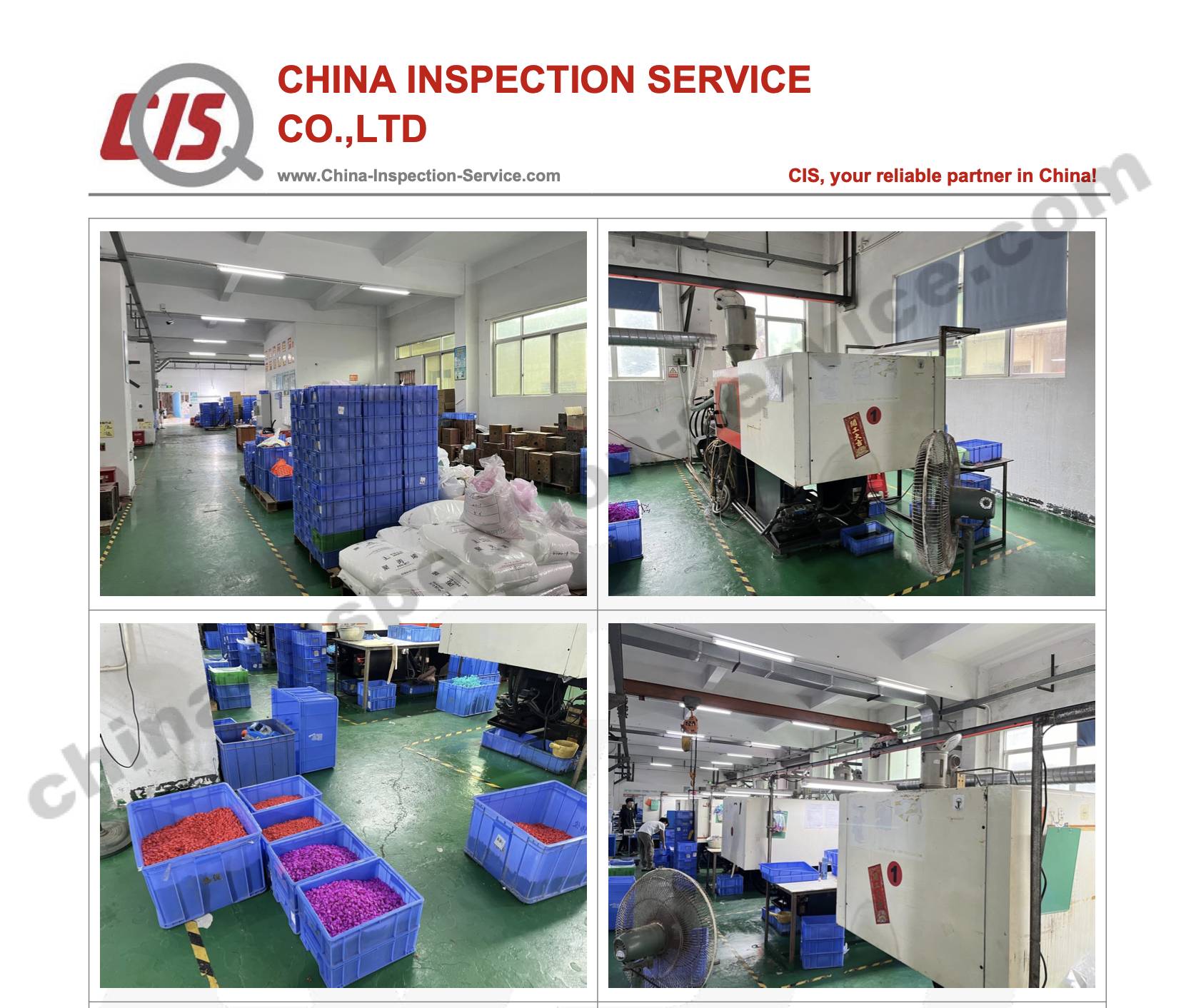
Finding a supplier in China is easy. Finding a reliable one is the hard part. Websites look professional, photos look impressive, and samples usually look perfect. But a sample is not a production line, and a trade show booth is not a factory. Before you send a deposit, a China Factory Audit gives you something far more useful than promises: an independent, on-site look at what a supplier can really do. This guide from China Inspection Services explains what an audit covers, when you need one, and how to get the most from it.
What Is a China Factory Audit?
A China Factory Audit is an on-site assessment of a manufacturer carried out by an independent inspector. Instead of relying on what the supplier tells you, the inspector visits the factory, checks documents, observes the workshop, interviews staff, and reports back with photos and findings. The goal is to answer one simple question: can this factory deliver the quality, quantity, and schedule you need?
Audits are used by importers, brands, online sellers, and sourcing agents. They are especially valuable when you are working with a new supplier, placing a large first order, or buying a product where defects would be expensive or dangerous.
Why Buyers Skip Audits and Regret It
Many buyers skip the audit to save money, particularly when the first order is small. The problem is that weak suppliers often reveal themselves only after production begins: late delivery, inconsistent quality, subcontracting to unknown workshops, or even a trading company pretending to be a factory.
The cost of an audit is small compared with the cost of a rejected shipment, a delayed launch, or a lost deposit. Think of it as insurance that also teaches you about your supplier.
What a Typical Factory Audit Checks
While every audit is tailored, a thorough China Factory Audit usually covers the following areas.
Company background. The inspector checks business registration, licenses, ownership, and whether the company is truly a manufacturer. This helps you avoid middlemen who add cost without adding value.
Production capacity. The audit looks at the number of workers, machines, production lines, and monthly output. It also checks whether the stated capacity matches your order size and deadline.
Equipment and facilities. Condition, maintenance, and cleanliness of machines and workshops often reflect how a factory treats quality in general.
Quality management. The inspector reviews incoming material checks, in-process controls, final inspection procedures, defect records, and how problems are corrected.
Raw materials and sub-suppliers. Traceability matters. A good factory knows where its materials come from and how they are stored.
Working conditions and compliance. Safety, fire exits, worker records, and general conditions are observed and noted.
Types of Audits Available
China Inspection Services offers several audit options so you can choose the depth that fits your risk. A standard Factory Audit evaluates overall capability. An ISO9000 Quality System Audit focuses on how well documented quality processes are followed in practice. A Social Compliance Audit looks at labor practices and workplace conditions, which is increasingly important for brands that must answer to retailers and consumers.
Choosing the right type depends on your product and your market. A toy or children's product buyer may care deeply about compliance, while an electronics buyer may focus on quality systems and capacity.
How to Prepare for Your Audit
A few steps make the audit more useful. First, decide what matters most to you: capacity, quality control, compliance, or all three. Share a clear checklist with your inspection company. Second, tell the supplier that an independent audit is part of your normal process, which sets expectations early and avoids awkward surprises. Third, provide product details so the inspector can compare your requirements with the factory's actual capability.
Reading the Audit Report
A good report is clear, visual, and honest. It should include photos, findings in plain language, and a conclusion on whether the factory is suitable. China Inspection Services issues reports within 12 hours of inspection, so you can act while the information is fresh.
When reading a report, look for patterns rather than single issues. One minor finding is normal. Many findings in the same area, such as poor material control, suggest a deeper problem. Use the report to negotiate improvements or to choose between suppliers.
Speed, Cost, and Flexibility
Time and budget matter to every buyer. China Inspection Services can start inspections or audits within 48 hours, and pricing begins from $248 per man-day in China. Flexible cancellation is available up to 4pm China time the day before the scheduled date, and the company offers a refund guarantee if you are not happy with the service.
Booking is simple: complete a booking form, confirm the date and factory address, make payment, and receive your report. That four-step process keeps administration light so you can focus on your business.
Audit Plus Inspection: A Stronger Combination
An audit tells you whether a supplier is capable. Inspections tell you whether a particular order meets your standard. Many buyers combine both: audit a new supplier first, then use Initial Production Check, During Production Inspection, and Pre-Shipment Inspection during the order. This layered approach catches problems early, when they are cheapest to fix.
Choosing the Right Partner
When selecting a company to perform your China Factory Audit, look for experience, clear reporting, fast response, and fair pricing. China Inspection Services staff have at least six years of quality inspection experience, and the company operates from Hong Kong with offices in Shenzhen and Dongguan, covering locations across China.
Book Your China Factory Audit Today
Do not let a supplier's website decide your next big order. Let evidence do it. Contact China Inspection Services to arrange a China Factory Audit, and gain the confidence to buy, negotiate, or walk away with clear facts in your hands.